


Introdução às máquinas ECG
-
 2023-05-01
-
LEPU


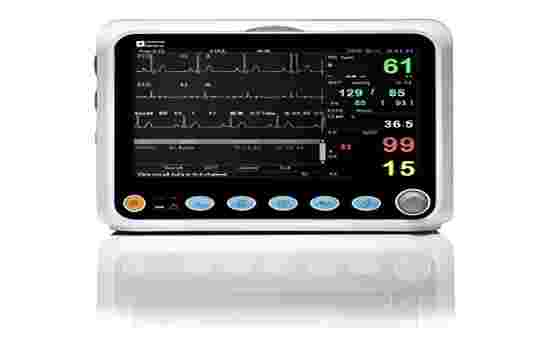
A máquina do ECG do hospital é instrumentos especializados usados para gravar ECGs. Há máquinas de ECG da único-ligação e máquinas de ECG da multi-ligação, com a capacidade para gravar simultaneamente até 12 ligações. Os métodos de controle e comutação do chumbo variam, com máquinas de ECG analógicas manuais e máquinas de ECG digitais controladas por computador disponíveis.
Quando foram inventadas as máquinas ECG?
A questão de quem descobriu a máquina ECG é uma que muitas pessoas estão curiosas.
Há 154 anos, em 21 de maio de 1860 (o primeiro dia do quarto mês lunar), nasceu o inventor da máquina de ECG, Willem Einthoven.
Einthoven (1860-1927) was a Dutch physiologist. He was born in Java to a military doctor, and in 1879 started studying at the University of Utrecht's medical school. He earned his doctorate in medicine in 1885, and the following year was appointed professor of physiology at Leiden University. He later became a member of the Royal Netherlands Academy of Arts and Sciences.
Em 1895, Einthoven começou a pesquisar as correntes elétricas de ação cardíaca, com base no trabalho do fisiologista britânico AD Waller. Ele melhorou o galvanômetro de cordas inventado por Sénarmont usando um fino fio de quartzo revestido de prata com um diâmetro de 0,002 milímetros para gravar correntes elétricas cardíacas e sons, superando as limitações de instrumentos anteriores.
Em 1903, Einthoven estabeleceu a unidade de medida padrão para ECGs: um milivolt de diferença de potencial elétrico sendo representado por deflexão de onda de um centímetro no eixo vertical e movimento de 0,4 segundos no eixo horizontal. Ele também usou letras como P, Q, R, S e T para rotular as ondas nos ECGs e criou três derivações padrão usando eletrodos colocados em ambas as mãos e no pé esquerdo (que ainda são usados hoje).
In 1912, Einthoven studied the normal range of variations in ECGs and proposed the theory of "Einthoven's triangle."
Em reconhecimento de sua pesquisa sobre os mecanismos de ECGs e sua invenção do gravador de ECG, Einthoven recebeu o Prêmio Nobel de Fisiologia ou Medicina em 1924.
Como usar a máquina ECG?
Ao usar uma máquina de ECG, é importante estar ciente das precauções e instruções de uso, e usar a máquina corretamente.
As etapas operacionais de uma máquina ECG são as seguintes:
1. Verify patient information, explain the procedures and precautions to the patient, obtain the patient's cooperation.
2. Properly connect the power cord, turn on the machine, check its performance, ensure that ECG paper is loaded correctly, and enter the patient's information accurately.
3. Expose the patient's inner wrists, ankles, and chest, observe for metal objects or skin conditions, and wipe the upper inner wrist and upper ankle with a cotton swab soaked in saline solution. Pay attention to keeping the patient warm and respecting their privacy.
4. Conecte os eletrodos do chumbo e do tórax de acordo com as instruções.
5. Verify the patient information again, wait until the ECG waveform is stable without interference, record the ECG waveform, and press the "START" button to print the ECG graph.
6. After printing is complete, turn off the machine, and verify the patient's information once more.
7. Remove the electrodes from the patient's body, wipe the skin, and pay attention to any skin conditions that may require special attention.
8. Após ter usado a máquina, desligue o poder, limpe o equipamento, e termine os formulários do registro do uso do equipamento.
ECG máquina custo
ECG machines are available for home and medical use. Portable home-use machines typically cost around $100-$300, but prices may vary depending on brand. Dynamic ECG machines for medical use require a computer, analysis software, and a recording box, and typically cost between $10,000 and $20,000. These machines record all of a patient's cardiac activity over a 24-hour period, and are used to diagnose angina and arrhythmia, and determine the effectiveness of treatments.