


O desenvolvimento do endoscópio moderno
-
 2022-03-14
-
LEPU


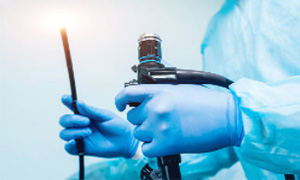
Com o desenvolvimento da ciência e da tecnologia, várias novas tecnologias têm sido amplamente utilizadas na indústria médica, e cada vez mais tecnologias médicas podem atingir diretamente as lesões locais sem grandes traumas.
Por exemplo, a cirurgia não invasora pode usar o princípio do ultra-som para tratar o corpo humano sem incisão ou sangramento; quando a terapia intervencionista, que integra o diagnóstico da imagem e o tratamento clínico, pode introduzir instrumentos específicos nas partes doentes do corpo humano para a cirurgia mìnima invasora através dos poros naturais ou das feridas pequenas do corpo humano. Uma vez que as limitações da tecnologia médica e do nível no passado foram alteradas, a doença não pôde ser diagnosticada e tratada a tempo, e muitos pacientes perderam o melhor momento para o tratamento.
As a leading company in technology and services in the field of gastrointestinal endoscopy, we have been committed to the innovative research and development of medical devices, insisting on improving the level of diagnosis and treatment with advanced technology, and empowering the development of endoscopy through technological innovation. Today's endoscopy can not only detect early digestive system tumors and precancerous lesions, but also completely remove tumors through digestive endoscopy, avoiding the trauma and risks caused by laparotomy, and truly realizing the early prevention and early prevention of gastrointestinal diseases.
1. O caminho de crescimento da endoscopia: restauração clara e precisa da cena do estômago
As early as 1950, the world's first intragastric camera was developed, which helped humans see the scene in the stomach for the first time, opened another door to the development of medicine and opened the road of exploration in the field of endoscopy since then.
A fim de poder ver a situação no estômago em tempo real e intuitivamente, em 1964, a câmera gástrica GTF equipada com um endoscópio de fibra óptica foi desenvolvida e lançada para realizar a observação em tempo real da situação gástrica com o endoscópio de fibra óptica embutido. O advento do endoscópio de fibra óptica também anuncia a chegada da era da cirurgia minimamente invasiva. O equipamento necessário para a cirurgia pode atingir com precisão as lesões no corpo através do canal, o que reduz muito a dor causada pela cirurgia aos pacientes.
Em 1985, o endoscópio eletrônico foi desenvolvido substituindo a técnica da imagem lactente da fibra ótica com a tecnologia de imagem diminuta. O sensor de imagem que ele carrega é como uma câmera em miniatura, que pode exibir a imagem processada na tela do monitor eletrônico, apresentando uma imagem mais clara do que o endoscópio de fibra óptica, e pode ser visualizado por vários médicos ao mesmo tempo, melhorando muito a precisão do diagnóstico.
With the unremitting pursuit of clarity, in 2002, the world's first high-definition endoscopy system was further launched. With a high-definition display system and HDTV monitor as the core, it can provide higher quality and clearer images than ever before. As the core function of high-definition endoscopy system, Narrow Band Imaging (NBI for short) technology makes the changes of early cancer more obvious under special blue light irradiation, which provides great convenience for medical personnel to detect early cancer in time.
2. Guardando pacientes: fazer pacientes já não temem a endoscopia
Although gastroenteroscopy is recognized as an important tool for the examination of gastrointestinal diseases, there are still many people who are afraid of endoscopy and refuse to accept endoscopy because they consider it "uncomfortable and unsafe".
In fact, today's endoscopes have become soft and slender with the development of technology, and the diameter of the thinnest end of the endoscope is only 5 mm. The entire inspection process only takes about ten minutes, which can greatly reduce discomfort. Regular endoscopy can greatly reduce the probability of illness.
Not only that, from the point of view of comfort, we continue to innovate and improve endoscope products. RIT reactive insertion technology can improve the flexibility and ease of operation of endoscopes through intelligent bending and variable hardness technologies, and comprehensively assist the insertion of endoscopes, making the operation more convenient and flexible for doctors, and at the same time greatly reducing the burden of patient's pain.