


O que é uma bobina embólica?
-
 2021-08-30
-
LEPU


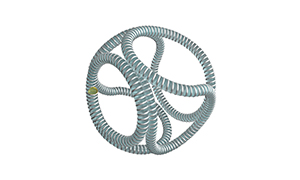
A embolização por bobina descreve um procedimento cirúrgico minimamente invasivo para tratar aneurismas cerebrais e fístulas. Através de um cateter inserido na virilha, uma pequena bobina é guiada para o cérebro e separada do cateter para evitar o fluxo sanguíneo para o aneurisma ou fístula. Uma ou mais bobinas de platina são deixadas no lugar para evitar que o aneurisma se rompa. O fluxo sanguíneo reduzido para o cérebro pode afetar a visão binocular.
1. During operating the Bobina embólica, the femoral artery was touched at the place passing through the groin.
Neuroradiologists or neurosurgeons usually perform this operation in a hospital setting. The surgeon makes a small incision in the groin to access the femoral artery. The doctor uses dye to make the aneurysm visible in the computer image, and then passes the catheter through the artery. Once the aneurysm is close to the aneurysm, the surgeon releases the Bobina embólica from the catheter. The body creates blood clots around the coil, blocking blood flow.
Um aneurisma representa uma protuberância ou parede da artéria sacular em um paciente fraco. As saliências podem exercer pressão sobre os tecidos e nervos do cérebro, causando paralisia, ou ruptura, levando a acidente vascular cerebral ou morte. Bobinas de embolização podem ser usadas como medida preventiva após ou antes da ruptura do aneurisma.
2. Neck pain when Bobina embólica is used may be a sign of aneurysm
Symptoms of aneurysm include headache, nausea or vomiting, upper back and neck pain. When these symptoms are present, doctors usually perform imaging tests to determine whether there is an aneurysm. When the patient cannot undergo brain surgery to prevent rupture, it is usually recommended to use Bobinas destacáveis embolização.
Um aneurisma representa uma protuberância ou vesícula na parede fraca de uma artéria. A fístula define as veias e artérias e reduz a entrega de sangue rico em oxigênio para o cérebro. Essas lacunas anormais geralmente causam pressão ocular, que é um dos principais sintomas do glaucoma. Algumas fístulas podem causar diplopia, dor e sons anormais nos ouvidos, como o zumbido.
If an aneurysm mass is large or appears at the base of the skull, balloon occlusion may play a role. This is another option when embolization coils cannot be performed due to the size or location of the aneurysm. This operation uses an inflated balloon to restrict blood flow. The procedure is similar to the detachable coil embolization of the femoral artery cannula. The risk of this operation is considered low, but a stroke may occur during the embolization of the coil, the patient's legs or arms may be weak, and language and vision problems may also occur.
3. A bobina embólica para o tratamento de aneurismas cerebrais
Neurocirurgiões podem usar imagens cerebrais para localizar fístulas e aneurismas no cérebro. Após a colocação, o paciente permanece deitado por 8 horas ou mais para permitir que a artéria femoral se cure. Eles geralmente vão para casa após um dia ou dois. Alguns meses depois, a angiografia pode ser realizada para determinar se a bobina de embolização ainda está no lugar. Neurocirurgiões geralmente realizam embolização por bobina destacável para tratar aneurismas cerebrais.