


O que deve um oxímetro dedo pulso ler para crianças?
-
 2023-06-01
-
LEPU


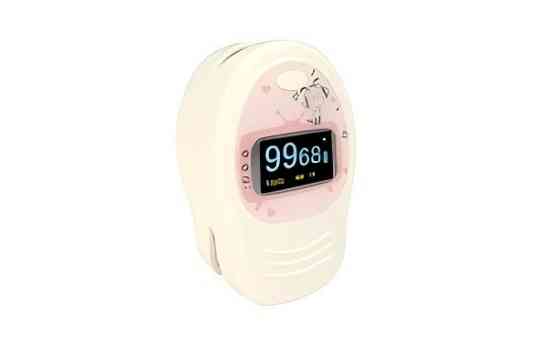
When it comes to monitoring the health of children, having the right tools is essential. One such tool that has gained prominence is the Oxímetro pediátrico do pulso do dedo. This portable device helps measure oxygen saturation levels and pulse rate in children quickly and non-invasively. If you're a parent or caregiver, you may wonder what readings to expect from a finger pulse oximeter for kids. In this article, we will explore the appropriate values that a Oxímetro pediátrico do pulso do dedo should read and the significance of this device in monitoring children's health.
Understanding the Oxímetro pediátrico do pulso do dedo
A Oxímetro pediátrico do pulso do dedo is a specially designed device that allows for accurate and convenient monitoring of oxygen saturation levels and pulse rate in children. It works by emitting and detecting light waves through the child's finger, providing real-time readings. This non-invasive method has become an integral part of paediatric healthcare, enabling parents and healthcare professionals to track a child's vital signs easily.
Leituras Apropriadas para Crianças
When using a Oxímetro pediátrico do pulso do dedo, the goal is to obtain readings within a specific range to ensure the child's well-being. The normal oxygen saturation level for children is typically above 95%. Readings below this range may indicate Hipoxemia, Uma condição caracterizada por baixos níveis de oxigênio no sangue. Em tais casos, a atenção médica deve ser procurada prontamente.
Da mesma forma, a taxa de pulso para crianças geralmente cai dentro de um intervalo de 70 a 120 batimentos por minuto (bpm). Uma pulsação inferior a 70 bpm ou superior a 120 bpm pode justificar uma avaliação adicional por um profissional de saúde.
Fatores a Considerar
While the normal ranges mentioned above provide a general guideline, it's important to consider various factors that can influence a child's oxygen saturation and pulse rate. Some factors to keep in mind include:
1. Age: Oxygen saturation levels and pulse rates can vary depending on the child's age. Newborns may have slightly lower oxygen saturation levels, while older children tend to have values closer to those of adults.
2. Activity Level: Children's oxygen saturation levels and pulse rates can fluctuate depending on their activity level. Physical activity, crying, or excitement can temporarily increase heart rate and slightly affect oxygen saturation levels.
3. Health Conditions: Certain health conditions, such as respiratory disorders or congenital heart defects, can impact a child's oxygen saturation levels and pulse rate. In such cases, it's important to consult with a healthcare professional who can provide specific guidance based on the child's condition.
The Role of the Oxímetro pediátrico do pulso do dedo
The Oxímetro pediátrico do pulso do dedo serves as a valuable tool in monitoring a child's health. It provides parents and caregivers with real-time information about a child's oxygen saturation levels and pulse rate, allowing for prompt action if necessary. By regularly using a Oxímetro pediátrico do pulso do dedo, parents can gain insights into their child's overall well-being and detect any potential issues early on.
The Benefits of the Oxímetro pediátrico do pulso do dedo
Using a Oxímetro pediátrico do pulso do dedo offers several benefits in monitoring children's health:
1. Conveniência e Não-Invasividade: O dispositivo oferece um método não invasor e indolor de obter medidas vitais do sinal. As crianças podem simplesmente colocar o dedo no dispositivo, tornando-o menos intimidante e mais confortável para elas.
2. Early Detection of Issues: Regular monitoring with a Oxímetro pediátrico do pulso do dedo enables parents to identify any potential issues with oxygen saturation levels or pulse rate promptly. Early detection allows for timely intervention and can prevent complications.
3. Peace of Mind: For parents and caregivers, having a Oxímetro pediátrico do pulso do dedo can provide peace of mind. It offers reassurance that they can monitor their child's health easily and quickly in the comfort of their own home.